
Views: 156 Author: Site Editor Publish Time: 2026-01-21 Origin: Site
You usually see a filter bag last one to three years. Some high-quality filter bags can last even longer. How long it lasts depends on how you use it. The material and your facility's conditions also matter. Here are some average numbers from the industry:
Filter Type | Lifespan/Performance Metrics |
|---|---|
Polypropylene | Works well for 5000 hours with little drop in performance |
Aramid | Filters 99.7% at temperatures up to 400°F |
PTFE | Works for over a year in places with harsh chemicals |
Fiberglass | Good for chemical use, but wears down with rough materials |
LOONG FILTRATION uses new technology and strong designs. You will learn easy ways to know when to replace your filter bag. You will also find out how to make your filter bag last longer.
Filter bags usually last from one to three years. How long they last depends on how you use them and the environment.
Check filter bags often for damage. This helps stop system problems and keeps them working well.
Pick the right filter bag material for your job. This helps them last longer and work better.
Use good ways to install and clean filter bags. This makes them last longer.
Watch the pressure in your system. This helps you know when to clean or change filter bags.
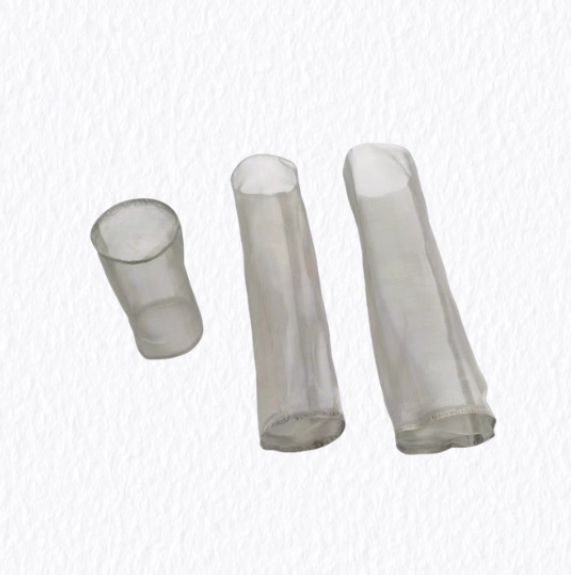
You might ask, "How long do filter bags last?" Most experts say baghouse filters last one to three years. This is true if you use them in normal places. Some filter bags only last three to six months in tough spots. LOONG FILTRATION makes strong filter bags that can last two years or more.
Many things change how long a filter bag lasts. These include how much dust is in the air, the temperature, and how wet the air is. If your filter bag is in a clean place, it will last longer. If there is a lot of dust or chemicals, you will need to change it sooner.
Tip: Check your filter bag often for damage or wear. This helps you stop problems before they happen and keeps your system working well.
Here is a table that shows what helps filter bags last longer:
Feature | Description |
|---|---|
Seamless Weld Construction | Stops leaks and makes the bag stronger. |
Zero Stitch-Hole Leakage | Uses special seals to keep layers together. |
Structural Strength | Handles high pressure without bending or breaking. |
LOONG FILTRATION uses special welding and seals. These stop leaks and make the filter bag stronger. Your filter bag will last longer and work better, even in hard places.
How long a filter bag lasts depends on where you use it and what it is made of. In chemical plants, filter bags must handle strong chemicals and high heat. P84 is a good choice because it works at up to 500°F and resists chemicals. This makes it great for waste burning and chemical plants. In these places, filters may wear out faster because the air is harsh.
In food factories, you need filter bags that block tiny bits and follow safety rules. Polypropylene and PTFE are good because they do not shed fibers and are safe for food. These filters last longer because the air is cleaner.
P84 works well in hot and chemical-heavy places.
Polypropylene and PTFE are safe for food and drinks.
Aramid and fiberglass are strong for hot or rough dust.
Baghouse filters usually last one to three years in normal places. If there is a lot of dust, heat, or water, they may not last as long. Using the right material and installing it well helps your filter bag last longer.
Note: Always pick the right filter bag for your job. This helps your filter last longer and keeps your system safe.
LOONG FILTRATION has filter bags made from tested materials. You can pick needle felt for deep filtering or monofilament mesh for surface filtering. The special seal and welding give extra safety and help the filter bag last longer.
You need to think about how you use baghouse filters. The place where you use them matters too. Some things can make filter bags last longer or shorter.
How many hours your system runs each day
How much dust is in the air
Fast changes in temperature or air flow
If your system works all day, you will change filters more. Lots of dust means you need new filters sooner. The table shows how these things change filter bag life:
Factor | Impact on Filter Longevity |
|---|---|
Operating Hours | More frequent replacements for 24/7 operations |
Dust Load | Heavier loads necessitate more frequent changes |
Wet air, very hot or cold air, and chemicals can wear out filters fast. Sticky or wet dust can block the filter. This makes it hard for air to move through.
LOONG FILTRATION filter bags have strong seals and welded seams. These help filters last longer, even when things get tough.
The kind of dust you collect matters a lot. Some dust is dry and light. Other dust is sticky or has chemicals. Wet dust can turn into mud and block the filter. If the dust is rough or sharp, filters can wear out faster.
Here is a table that shows filter bag materials and their best uses:
Filter Bag Material | Key Properties | Suitability |
|---|---|---|
Polyester | Moisture and chemical resistance | General dust and particulate matter |
Polypropylene | Chemical resistance | Aggressive chemicals and acids |
Aramid | High temperature resistance | Hot environments |
PTFE (Teflon) | Chemical and temperature resistance | Harsh chemicals |
Fiberglass | Durability and efficiency | High temperature, large volumes |
You should pick the right filter bag for the dust you have. LOONG FILTRATION has a guide to help you choose.
Taking care of your filter bag helps it last longer. Check your filters often for damage or dust. Clean them to keep air moving well. Change filters before they get too dirty.
Here are some tips for taking care of filter bags:
Check and clean filters often
Put filters in the right way to stop leaks
Keep extra filters in a clean, dry spot
Watch the pressure gauge to know when to clean or change filters
LOONG FILTRATION filter bags are easy to put in and come wrapped to stay clean. This helps your system work well and makes filter bags last longer.
You should check your filter bags often for problems. Look for any tears, holes, or worn spots on the bags. If you see these, you need to replace the dust collector bag right away. If dust or particles are coming out, the filter bag is not working well. You might also see fibers coming off or loose threads. These issues can cause contamination. LOONG FILTRATION filter bags have a leak-proof design and hold fibers tightly. These features help the filter bag last longer before you need to replace it.
Tip: Always check baghouse filters after something goes wrong or after maintenance. Finding damage early helps you stop bigger problems.
You can tell if your filter bag is wearing out by how well your dust collector works. If it does not filter as well, you should replace the dust collector bag. If the pressure across the baghouse filters goes up, it means they are getting clogged. Most systems work best between 2 and 6 inches of water gauge. If the pressure is more than 6 inches, you should clean or replace the filter bags. New filter bags usually have less than 2 inches of pressure. You should change liquid filter bags when you see these changes.
Pressure Differential (in. w.g.) | Action Needed |
|---|---|
0 - 2 | Normal operation |
2 - 6 | Watch for changes |
> 6 | Replace dust collector bag |
You can use easy steps to check your filter bags. Look for any tears or holes in the bags. Make sure each filter bag is in the right place in the dust collector. Check all baghouse filters and cages for problems. Use a leak test to find leaks. Change liquid filter bags if you find any damage or leaks. Checking your filter bags often helps your dust collector work well and stops sudden failures.
Note: LOONG FILTRATION filter bags have strong seals and welded seams. These features help stop leaks and fiber loss, so you can wait longer before replacing the dust collector bag.
You can make filter bags last longer by installing them right. Each filter bag should fit tightly to stop leaks. This keeps dust from getting into the air. LOONG FILTRATION bags fit most housings, so you do not have to worry about size.
Check your filter bags often to catch problems early. Use this checklist to help your baghouse filters work well:
Check the pressure every day.
Listen for odd noises in the system.
Look for tears or holes in filter bags each week.
Test for leaks with powder and a UV light.
Write down what you find to track changes.
Tip: Checking your filters often helps you find damage early. If you spot problems soon, you can change liquid filter bags before your system slows down.
Cleaning helps your baghouse filters last longer. Clean all surfaces that touch dust or chemicals after each shift. Deep cleaning lets you reach hidden places and keeps things safe. Dust control systems remove extra dust and stop buildup.
Cleaning Method | Description |
|---|---|
Routine Cleaning | Clean surfaces after each batch or shift. |
Deep Cleaning | Schedule regular cleanings for hard-to-reach areas. |
Dust Control | Use extraction systems to prevent dust buildup. |
If you clean and take care of your system, you will not need to change liquid filter bags as much. Clean filters let air move better and keep products safe.
Picking the right liquid filter bag helps your system work well and last longer. Think about the dust, temperature, and chemicals in your process. LOONG FILTRATION has a guide to help you choose. Bags are wrapped one by one, so they stay clean until you use them.
Different baghouse filters work best for different jobs. Pulse Jet and Reverse Air filters have special features for certain uses. The right size and shape help air flow evenly and stop dead spots. Changing liquid filter bags on time keeps your system working smoothly.
Note: The right liquid filter bag can save money and help your system last longer. Regular care and smart choices keep your filtration strong.
You can make your filter bag last longer if you check it often. Replace it when it starts to wear out. If you take good care of your bags, they can work much better and last longer. LOONG FILTRATION uses strong seals and welded seams to help your system work well. Pick the right filter bag for your job and check it on a set schedule. The table below shows which filter bags are best for different jobs:
Filter Bag Type | Key Features | Ideal Applications |
|---|---|---|
Polyester | Durable | General use |
PTFE | Chemical resistant | Harsh chemicals |
Fiberglass | High-temp | Hot environments |
Tip: Taking care of your filter bags and making smart choices helps your system stay safe and work well.
You should check filter bags every week. Look for holes, tears, or dust buildup. Regular checks help you catch problems early and keep your system working well.
You may see holes, tears, or loose fibers. If you notice higher pressure or less airflow, replace the filter bag. These signs mean the bag is not working right.
You can clean some filter bags, but not all. Always follow the manufacturer's instructions. Cleaning helps extend the life, but you should replace bags if they show damage.
You get strong welded seams and leak-proof seals. Certified materials prevent fiber loss. These features help filter bags work better in dust collector systems and last longer.
You should think about the dust type, temperature, and chemicals in your process. Use a media selection guide to pick the best filter bag for your needs.


